Caribbean Food Centennial: The Island Ingredients Behind a Century of Flavor

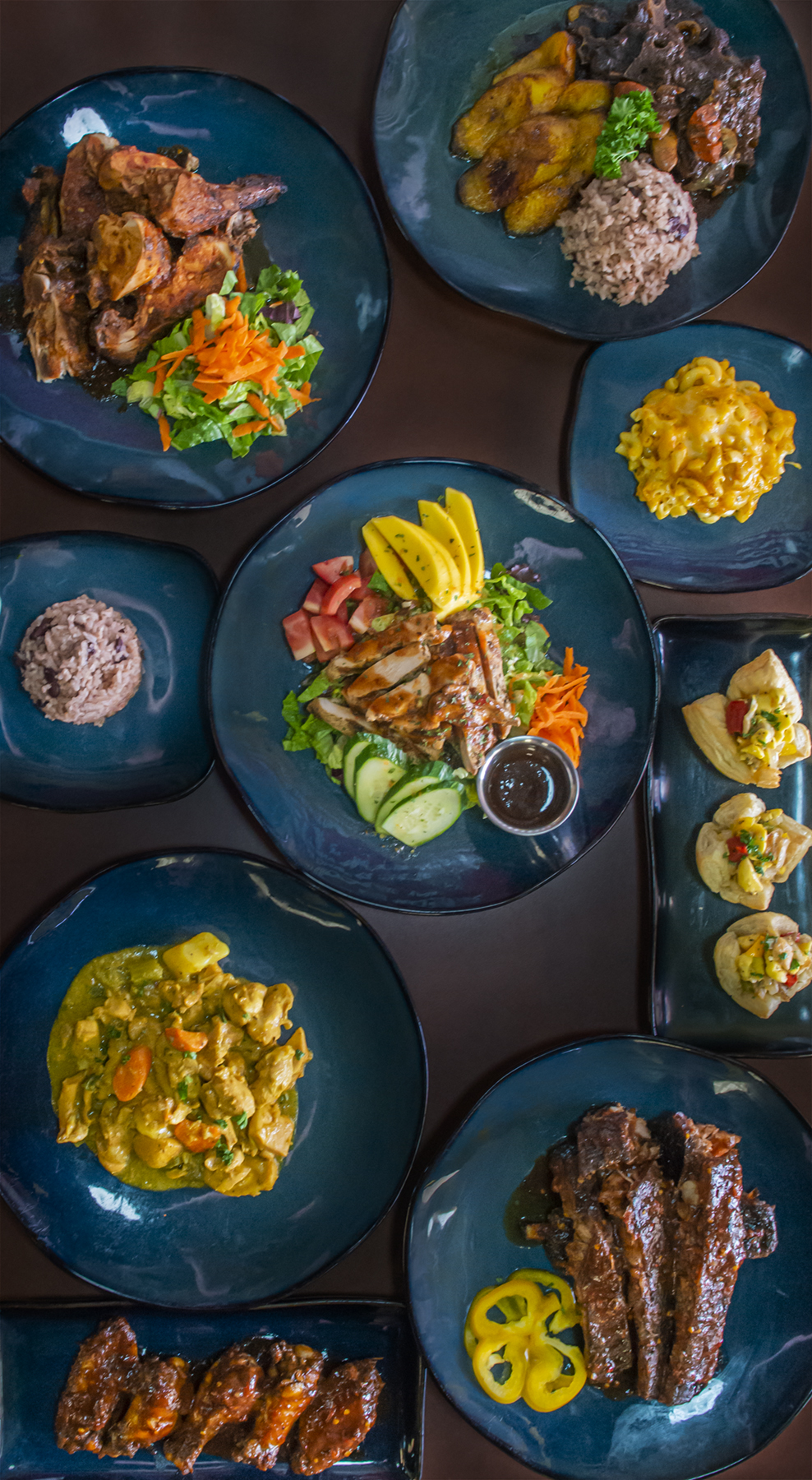
A hundred years is a useful span for thinking about Caribbean food. It is long enough to reveal how traditions endure, but short enough to trace how ingredients, migration, labor, trade, and climate have shaped what ends up on the plate. If you stand in a market anywhere from Kingston to Castries, from Port of Spain to San Juan, you can still see the backbone of the region’s cooking in plain sight: root vegetables stacked in dusty pyramids, green bananas hanging by the dozen, peppers glowing like lacquer, bundles of thyme and scallion wilting in the morning heat, fish laid on ice, coconuts split on demand.
The phrase caribbean food centennial suggests celebration, but it also invites perspective. Over the past century, Caribbean kitchens have carried forward indigenous foodways, African technique, Indian spice traditions, European preservation methods, Chinese influence, and the practical genius that grows wherever resources are precious and flavor matters. The result is not one cuisine, but a family of cuisines connected by ingredients that travel well across islands and by cooks who know how to extract depth from what the land and sea offer.
What makes the region’s food so memorable is not complexity for its own sake. It is the intensity of ordinary ingredients handled with judgment. Cassava is not just a starch. Plantain is not merely a side. Scotch bonnet is not just heat. Coconut is not simply richness. These ingredients carry memory, economics, survival, and pleasure all at once.
The pantry that built island cooking
In professional kitchens, people often talk about signature dishes. In Caribbean homes, it is more useful to talk about signature ingredients. The dishes change from island to island, sometimes from parish to parish, but the pantry tells the deeper story.
Ground provisions remain foundational. Across the region, that term usually gathers together yams, cassava, sweet potatoes, dasheen, eddoes, green bananas, breadfruit, and plantains. They are practical foods, filling and resilient, and they also happen to be delicious when roasted, boiled, fried, mashed, or stewed into broths. If you have ever cooked for a large family gathering, you learn quickly why these ingredients matter. They stretch a meal without making it feel compromised. They absorb seasoning. They hold up to long cooking. They feed laborers, schoolchildren, and wedding guests with equal dignity.
Then there are the aromatics that define the first breath of a pot. Onion and garlic appear, of course, but in much of the English-speaking Caribbean the real scent often starts with scallion, thyme, allspice, ginger, and hot pepper. In Trinidad, Guyana, and parts of the wider region, green seasoning performs this role with remarkable efficiency, blending fresh herbs and aromatics into a paste that can wake up fish, chicken, goat, or beans in minutes. In Puerto Rico and the Dominican Republic, sofrito plays a similar structural role, though the balance shifts depending on local preference and family habit.
What matters here is not just flavor. These seasoning systems show how Caribbean cooks solved the same problem in different ways: how to season deeply, quickly, and repeatedly with ingredients that were available and affordable. Over the last century, as refrigerators became common in some households and remained out of reach in others, wet seasonings and spice rubs continued to earn their place because they improved both taste and efficiency.
Cassava, breadfruit, and the intelligence of starch
One of the clearest ways to understand Caribbean food is to pay attention to starches that outsiders often treat as side characters. Cassava is a strong example. Long before the modern restaurant discovered yuca fries, cassava had already been a pillar of survival and creativity in the Caribbean. It can be grated into bread, cooked into dense puddings, boiled for the table, or transformed into farine and bammy. It stores better than more delicate produce, and it asks relatively little of the cook beyond knowledge.
That knowledge matters. Cassava is not an ingredient for careless hands. Bitter varieties need proper processing, and communities that relied on cassava developed techniques that were as important as recipes. In that sense, cassava sits at the center of a broader truth about Caribbean cuisine: flavor is inseparable from craft.
Breadfruit tells a related story. Introduced to parts of the Caribbean in the colonial era, it eventually became so naturalized in island life that many people outside the region assume it has always been there. Roasted over open flame, breadfruit develops a smoky crust and a soft interior that can swing from potato-like to almost bread-like, depending on ripeness and cooking method. Fried breadfruit slices with salt fish can anchor breakfast. Mashed caribbean food centennial breadfruit can absorb butter, coconut milk, or stock beautifully. In leaner times, it has been a safeguard against hunger. In more celebratory settings, it can be elevated with seafood, herb oils, or pepper sauces without losing its earthy identity.
A centennial look at Caribbean food cannot ignore how often these starches carried households through uncertainty. Hurricanes, crop failures, shipping delays, and swings in imported food prices all made local staples more than a cultural preference. They were insurance.
The sea as daily market
The Caribbean is surrounded by water, but seafood culture varies widely from one island to another. Reef conditions, local fishing practices, export pressures, and seasonal availability all shape what people eat. Even so, fish remains one of the most immediate expressions of island life. Flying fish in Barbados, salt fish across much of the region, snapper in countless forms, conch where legal and sustainable, mackerel, king fish, and shellfish all appear in local repertoires with a practicality that reflects daily access rather than luxury.
Salt fish deserves particular attention in any discussion of the past century. Preserved cod is not native to the Caribbean, yet it became deeply embedded in home cooking because it was durable, tradable, and adaptable. This is one of those uncomfortable but necessary truths in food history: some of the region’s most beloved preparations grew from colonial trade systems and economic constraint. People did not simply inherit ingredients. They made sense of what was imposed, available, or affordable, and over time turned those ingredients into comfort food.
That transformation still fascinates me whenever I watch a cook prepare salt fish for breakfast. There is a practical choreography to it. Soak, boil, flake, then fold into peppers, onions, tomatoes, thyme, and perhaps ackee, green bananas, dumplings, or provisions. The fish starts as something preserved and rigid. It finishes supple, fragrant, and fully absorbed into island identity. That is Caribbean cooking in miniature: adaptation without loss of self.
Pepper, spice, and the discipline of heat
People unfamiliar with the region sometimes reduce Caribbean food to “spicy,” which misses the point almost entirely. Heat is present, often assertive, but the real skill lies in balance. A Scotch bonnet can perfume a pot even when left whole and barely pierced. It can also dominate a dish if handled carelessly. Experienced cooks know the difference between heat that opens flavor and heat that flattens it.
The same judgment applies to curry blends, jerk rubs, allspice, clove, nutmeg, cinnamon, and ginger. Indian indentured laborers brought spice habits that took root particularly in Trinidad and Guyana, influencing curries, rotis, chutneys, and snacks that are now inseparable from those food cultures. Meanwhile, jerk in Jamaica developed its own disciplined intensity, combining pimento, thyme, scallion, pepper, and smoke into something both ancient and startlingly modern. Good jerk is not just hot. It is layered, caribbean food centennial aromatic, and controlled.
Nutmeg offers another angle on the region’s flavor history. Grenada’s association with nutmeg is famous, and for good reason, but the ingredient’s importance goes beyond branding. Nutmeg enters drinks, desserts, sauces, and festive cooking with a quiet authority. Its presence in the Caribbean pantry is a reminder that spices here are not garnish. They are infrastructure.
Coconut, cane, and the sweetness of hard history
Few ingredients capture the Caribbean’s dual nature, pleasure and pain, better than sugar cane. For generations, cane shaped land use, labor systems, and export economies with brutal consequences. Yet sugar in its many forms also became central to the sensory life of the region. Molasses, cane syrup, brown sugar, rum, and caramelized preparations all leave their mark on cakes, punches, stews, sauces, and preserves.
Black cake at Christmas is a perfect example of how history concentrates into a single dessert. Dried fruits soaked in rum or wine, deep spice, burnt sugar or browning, long anticipation, and meticulous handling create something dense with ceremony. It is not an everyday cake, and that is the point. The labor is part of the meaning.
Coconut sits nearby in this story, though its mood is often gentler. Coconut milk softens pepper, enriches rice, thickens stews, and gives body to sweets. Freshly grated coconut behaves differently from canned milk, and anyone who has cooked both ways knows the difference in aroma and texture. Fresh extraction gives a cleaner, more vivid coconut note, especially in dishes where the ingredient is central rather than supportive. In poorer households, coconut has long been a practical richness, a way to build satisfaction without relying on expensive dairy. In festive cooking, it becomes luxurious.
Rice cooked in coconut milk with pigeon peas or kidney beans can be humble or extraordinary depending on the hand behind it. Too much liquid and the grains slump. Too little seasoning and the dish goes flat. Get it right and the pot tastes complete on its own, even before the main protein arrives.
The African imprint, still alive in the pot
Any honest account of Caribbean food over the past century has to acknowledge the depth of African influence. This is not an incidental layer. It is structural. Okra, callaloo traditions, one-pot stews, fritters, rice dishes, and many modes of seasoning and communal eating bear the mark of African foodways adapted under horrific conditions and sustained through generations.
Callaloo alone can teach an entire seminar on regional variation. In Trinidad, callaloo often refers to a thick, blended preparation enriched with dasheen bush, okra, coconut milk, pumpkin, aromatics, and sometimes crab. Elsewhere, the word may refer more directly to leafy greens themselves, including amaranth or similar plants. The names shift, the methods shift, but the intelligence remains: use greens fully, build body without waste, and layer flavor until the pot tastes bigger than its ingredient list.
Okra, another ingredient still undervalued by those who do not know what to do with it, performs multiple jobs at once. It thickens, it nourishes, and it anchors soups and stews that need to satisfy many people. When cooks respect its texture and pair it correctly with acid, spice, or smoke, okra becomes indispensable rather than divisive.
Indian, Chinese, and creole crossings
Over the last hundred years, Caribbean food has also been shaped by communities whose culinary legacies became fully local without ceasing to remember where they came from. Indo-Caribbean cooking in Trinidad, Guyana, Suriname, and beyond changed the everyday table through roti, curry, cumin-rich fillings, fried snacks, and an approach to seasoning that could make humble legumes taste expansive. A well-made buss up shut or dhalpuri is not just bread. It is engineering. Softness, elasticity, heat control, and timing all matter, especially if it is meant to hold a rich curry without tearing.
Chinese Caribbean influence, while sometimes less discussed in mainstream food writing, also deserves credit. Fried rice, stir-fried dishes, soy-based marinades, noodle preparations, and hybrid takeout traditions entered local eating habits and were reworked through island taste. Visit enough family-run restaurants across the region and you start to see how porous these culinary borders really are. A menu might move from stewed chicken to chow mein to curry goat without apology, because in lived Caribbean experience those combinations are ordinary.
Creole, in the broad culinary sense, is often the best word for this ongoing process. Not fusion in the trend-driven restaurant sense, but a durable mixing shaped by neighborhood life, intermarriage, markets, school lunches, roadside stalls, and church events.
Fruit that does real culinary work
The Caribbean’s fruit abundance can distract from the fact that many fruits are not only eaten ripe out of hand, but cooked, pickled, stewed, seasoned, and preserved. Mango appears in chow, in peppery relishes, in juices, and in desserts. Guava becomes jam, paste, and pastry filling. Tamarind lends acidity to sauces and drinks. Soursop, passion fruit, sorrel, and lime all bring brightness that counters the richness of fried foods, coconut, and slow-cooked meats.
Plantain deserves its own mention because it behaves like several ingredients depending on maturity. Green plantains can be boiled, fried twice, pounded, chipped, or tucked into soups. Ripe plantains caramelize and sweeten, bridging savory and dessert. Over a century of Caribbean cooking, plantain has remained one of the region’s most versatile tools, equally at home beside salt fish, roast pork, curried vegetables, or a cup of tea.
Lime, too, does more than add sourness. It cleans fish, sharpens marinades, lifts heavy dishes, and gives pepper sauces a fresh top note. In hot climates, acid becomes a form of structure. It keeps food lively.
The market test: what people still buy
If you want to know which ingredients have truly defined Caribbean flavor across generations, spend time where people shop for everyday cooking. Fancy menus can mislead. Markets rarely do. The ingredients that survive a century are the ones people keep buying with limited cash and clear standards.
You see elders inspecting yam for firmness, smelling thyme, pressing avocados, arguing lightly over the best vendor for green bananas. You hear warnings about out-of-season produce with good color but no flavor. You notice how much local judgment concerns not prestige, but reliability. Which coconut has enough water. Which cassava will cook mealy instead of waxy. Which fish was caught recently. Which pepper has heat and scent rather than just aggression.
This is where the caribbean food centennial idea becomes tangible. A century of flavor is not preserved by nostalgia alone. It survives because people continue to choose ingredients that make sense economically, nutritionally, and culturally. Even as imported packaged foods have expanded across the region, the market logic of real ingredients remains powerful.
What changes, what stays
Caribbean food today faces new pressures that would have been less pronounced a hundred years ago. Climate change affects fishing, rainfall, and crop reliability. Tourism can distort what gets presented as “authentic.” Imported foods are often cheaper or easier than local produce, especially when supply chains for island agriculture are under strain. Younger cooks may know the flavor of canned coconut milk better than fresh extraction, or may encounter breadfruit more often at a restaurant than in a backyard.
Still, certain ingredients keep asserting themselves because they answer practical needs while carrying deep pleasure. Rice and peas persists. Pepper sauces continue to be made at home. Cassava, yam, and sweet potato keep returning to the table. Fresh herbs remain the shortest path to seriousness in the pot. Coconut, lime, hot pepper, and allspice still do the heavy lifting.
What I have learned from years around Caribbean cooks is that tradition here is rarely rigid. It bends, but it does not collapse. A cook may use a blender where a grandmother used a mortar. Frozen fish may stand in for a morning catch. An electric stove may replace charcoal. Yet the logic of the food often remains intact: season with conviction, build body from starches and vegetables, respect heat, use acid intelligently, and never let abundance excuse carelessness.
Why the ingredients matter more than the trend
There is no shortage of interest in Caribbean cuisine right now, and much of it is deserved. But trends can flatten a region into a few photogenic dishes or hot sauce clichés. The deeper story sits with the ingredients that ordinary cooks have trusted for decades.
Those ingredients are not glamorous by default. Dasheen can look rough. Cassava is plain until you understand it. Salt fish requires effort. Breadfruit asks for technique. Scotch bonnet demands respect. Yet together they create some of the most compelling food traditions in the world because they reward knowledge. Over the past century, Caribbean flavor has been built not from excess, but from discernment.
That is what a true Caribbean food centennial celebration ought to honor. Not just the famous plates, but the island ingredients that made those plates possible. The roots that fed families. The herbs that gave identity to a pot. The fish that linked coastlines to kitchens. The pepper that taught restraint. The coconut that carried sweetness and sustenance. The spices that mapped migration. The fruits that brightened heavy meals and hot afternoons.
A century from now, the dishes will continue to evolve. They should. Living cuisines always do. But if the region can protect its agricultural knowledge, support local producers, and keep teaching young cooks why these ingredients matter, the essential flavor of the Caribbean will remain unmistakable. It will still smell like thyme hitting hot oil, like roasting breadfruit skin, like lime on fish, like coconut milk simmering into rice, like pepper rising from a just-opened pot.
And that, more than any single recipe, is the taste of endurance.
Reggae Pot Jamaican Grill
Address: 7562 S University Blvd Unit C, Centennial, CO 80122
Phone: (303) 997-5623
FAQ About caribbean food centennial
What Jamaican dishes can I try in Centennial?
Reggae Pot Jamaican Grill serves Jamaican specialties such as jerk chicken, stewed oxtail, curry goat, and ackee and saltfish. Check the current menu for availability.
What is ackee and saltfish?
It is Jamaica’s national dish. The restaurant prepares ackee with salted cod, onions, thyme, tomatoes, garlic, black pepper, and pimento.
Can I order Jamaican food for pickup in Centennial?
Yes. Choose the Centennial location at 7562 S University Blvd Unit C when placing a takeout order.
Corrections
Spot something wrong? Send it to the desk and it gets fixed in the open.