Caribbean Food Centennial: Must-Try Dishes From the Last Century
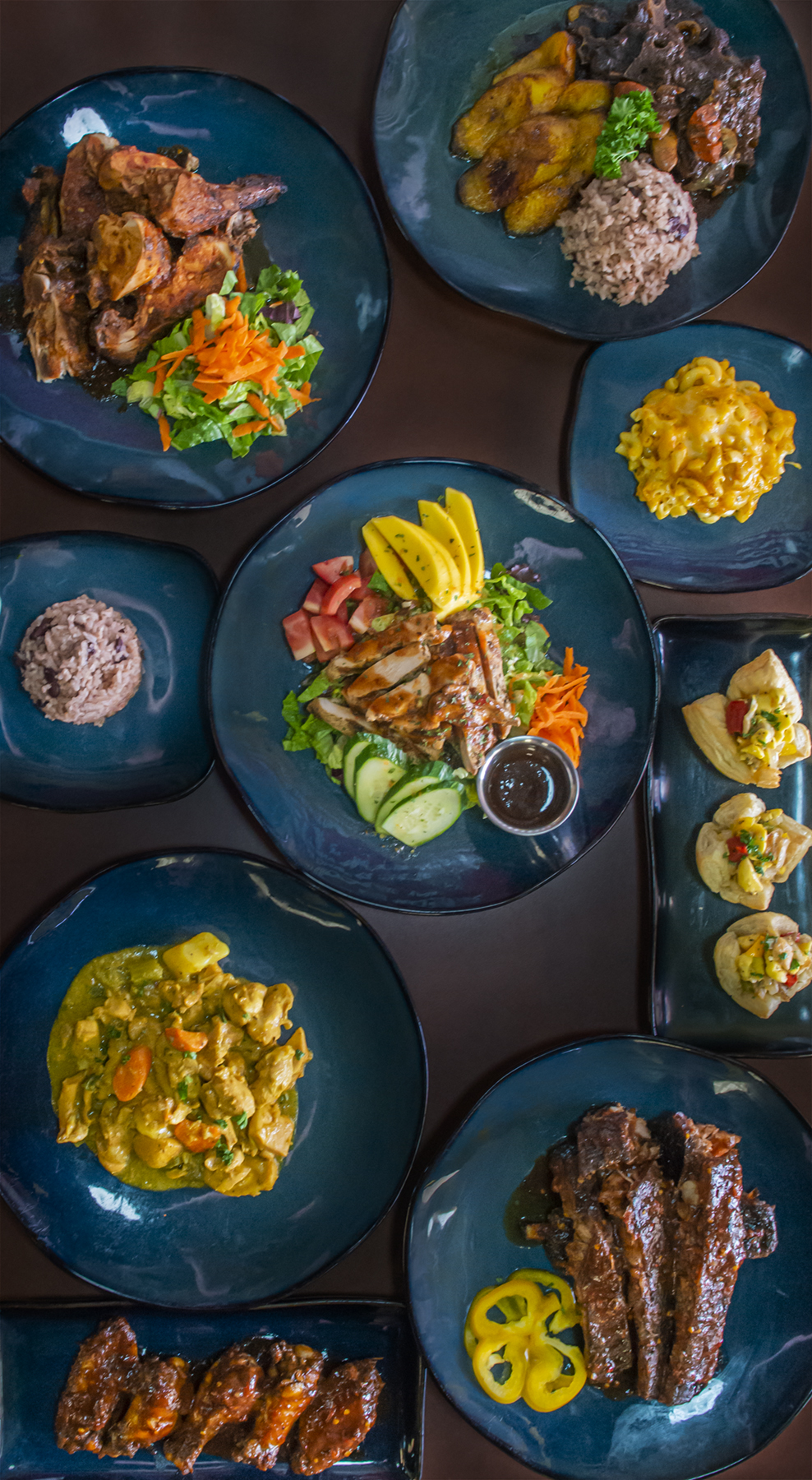
A century of Caribbean cooking cannot be reduced to a handful of recipes, yet certain dishes have carried the region through war, migration, tourism booms, economic strain, and family celebration with remarkable staying power. They are the foods people argue about at the table, teach by feel rather than measurement, and crave after years abroad. If you want to understand the Caribbean through taste, start with the dishes that survived the twentieth century and still define it.
The phrase caribbean food centennial suggests a neat hundred-year timeline, but food never moves in tidy lines. In the Caribbean, recipes gather influence the way coastlines gather driftwood. African technique, Indigenous ingredients, Indian spice traditions, European preservation habits, Chinese shopkeeping culture, Levantine mercantile routes, and American industrial food systems all leave marks on the plate. One generation cooks over coal pots, the next uses a pressure cooker, and the one after that buys seasoning blends in a supermarket while still insisting that grandmother’s version was better. Usually, grandmother was right.
What follows is not a ranking. It is a map of dishes that have proved themselves across the last century, whether in city canteens, roadside stalls, church fundraisers, rum shops, beach shacks, or Sunday family kitchens. Some are festive and labor-heavy. Others were born from thrift. All of them carry memory.
The century in the pot
Twentieth-century Caribbean food was shaped by movement and constraint as much as abundance. Sugar economies left stark inequalities. Bananas, rice, salt cod, tinned milk, flour, and imported salted meat became pantry constants in many islands because trade routes made them reliable even when fresh ingredients were expensive or seasonal. At the same time, backyard fruit trees, breadfruit, cassava, pigeon peas, coconut, yams, and peppers kept local foodways firmly rooted in place.
That combination explains why so many enduring Caribbean dishes balance necessity with ingenuity. Tough cuts become tender through slow cooking. Salt fish is soaked, picked over, and transformed. Rice stretches small amounts of protein into a full meal. Spice does more than add heat, it builds identity. Scotch bonnet pepper, thyme, scallion, pimento, culantro, garlic, ginger, and curry powder are not decorative flourishes. They are structural.
One practical truth from professional kitchens and home kitchens alike is that these foods rarely taste right when rushed. A curry that cooks fast often tastes flat. Rice and peas made without enough time for the coconut, herbs, and beans to marry can feel like separate components sharing a plate rather than a dish with a soul. The best Caribbean cooking from the last century has always respected time.
Jerk, the fire that became a global language
No conversation about must-try Caribbean dishes can avoid jerk. Most people outside the region know it as a flavor profile, sometimes flattened into a bottled marinade, but in Jamaica it is a method first. Traditional jerk cooking relies on seasoning meat, often pork and now very often chicken, with a paste heavy on pimento and Scotch bonnet, then slow-cooking it over green pimento wood or coals, usually with smoke trapped around the meat.
What makes good jerk memorable is tension. The smoke should be assertive but not harsh. The heat should build rather than punch blindly. The pimento should read warm, almost sweet, before the pepper catches up. In roadside jerk centers across Jamaica, the aroma announces itself before the sign does. The best versions have bark on the outside, moisture inside, and enough fat rendered to carry spice through every bite.
Over the twentieth century, jerk traveled from local tradition to international shorthand for Jamaican food. That success came with trade-offs. Restaurant jerk can become over-sauced, over-sweet, or aggressively hot in a way that misses the deeper aromatic character. Still, when done properly, it deserves its status. Eat it with festival, roast breadfruit, bammy, or hard dough bread, and you understand why this is one of the century’s defining dishes.
Trinidadian doubles, a street food with perfect engineering
Some dishes feel inevitable once you try them. Doubles is one of those. Born in Trinidad and Tobago and now beloved throughout the diaspora, it consists of two pieces of bara, a soft fried flatbread, holding curried channa, usually with tamarind, pepper sauce, kuchela, or cucumber for contrast. It sounds humble. It tastes like culinary intelligence.
Doubles became emblematic in the twentieth century because it fits urban life so well. It is affordable, quick to assemble, deeply satisfying, and endlessly adjustable. Vendors know how to read a customer in seconds. Slight pepper or plenty. Extra tamarind or no sweet at all. More channa if you need a heavier breakfast. The best bara is pliable and slightly chewy, not greasy. The channa should be soft but not collapsed, seasoned enough to stand on its own, and brightened by enough cumin and turmeric to perfume the bread.
From a cook’s perspective, doubles is harder than it looks. Dough hydration matters. Oil temperature matters. Channa texture matters even more, because a watery filling soaks through and turns pleasure into mess. When it is right, though, there is almost no better street breakfast in the Caribbean.
Rice and peas, the plate’s quiet authority
Ask people to name the stars of Caribbean food and they often jump to the dramatic dishes first. Yet rice and peas may be the one item that appears at more tables, more consistently, over more decades, than anything else. In Jamaica, Sunday dinner without rice and peas feels incomplete to many families. Across the wider region, versions made with pigeon peas, kidney beans, coconut milk, thyme, scallion, and allspice or local herbs occupy the same emotional territory.
Its importance lies in steadiness. Rice and peas is the supporting actor that secretly anchors the whole production. It absorbs gravy from brown stew chicken, curry goat, oxtail, or escovitch fish. It turns a modest meal into a proper one. It also captures a Caribbean principle that separates bland starch from meaningful starch: rice should taste of something.
Too many restaurant versions treat it as filler. Good rice and peas should have distinct grains, but not dry ones. The coconut should be evident without becoming dessert-like. The herbs should whisper through the pot. In many homes, the pot liquor from the beans gives it body, while a whole Scotch bonnet scents the rice without always bursting. That restraint shows experience. Heat does not need to dominate to be present.
Callaloo, the dish that means different things and still belongs everywhere
Callaloo is one of the Caribbean’s most revealing foods because it changes shape from island to island while remaining recognizably itself. In Trinidad and Tobago, it is often a thick, velvety preparation built from dasheen bush or similar greens, okra, coconut milk, onion, garlic, thyme, and sometimes crab, simmered and then blended or swizzled until lush. In Jamaica, callaloo usually refers to leafy greens, often sautéed or steamed with onion, tomato, Scotch bonnet, and saltfish. The word travels, the dish adapts, and the core idea endures.
That flexibility helps explain why callaloo matters in any centennial look at Caribbean food. It represents local agriculture, improvisation, and the ability to make greens feel generous rather than dutiful. It can be breakfast beside dumplings, lunch with provision, or dinner alongside fish. It can be rustic or refined.
Cooks who know callaloo well understand an important balance. Greens need enough cooking to soften, but not so much that they lose all character. Okra can thicken beautifully, though some diners object to the texture if handled poorly. Crab adds depth but also complexity at the table. Saltfish brings salinity and history. No single version owns the name, which is precisely why the dish says so much about the region.
Pelau, where caramel, rice, peas, and meat become one thing
Pelau from Trinidad and Tobago is one of those dishes professionals admire because it demands timing and instinct more than expensive ingredients. Meat, often chicken, is first browned in burnt sugar, then cooked with rice, pigeon peas, coconut milk, herbs, and vegetables until everything settles into a smoky, savory whole. It is not merely rice with things in it. A good pelau tastes integrated, as if every grain has been taught the same lesson.
Its twentieth-century staying power comes from practicality. Pelau feeds groups well, suits lime culture and beach outings, and turns one pot into a complete meal. It also rewards confidence. Burn the sugar too little and the dish lacks its signature depth. Burn it too much and bitterness takes over the pot. Add too much liquid and you get a soft, muddled result. Undercook the rice and it never recovers.
When I think of Caribbean dishes that impress seasoned cooks, pelau sits high on the list because it makes thrift taste luxurious. A spoonful should carry sweetness from the browned sugar, savory heft from the meat, creaminess from the coconut, and fragrance from the herbs. Coleslaw on the side is common, and that cool crunch is not accidental. It brightens the pot’s darker notes.
Sancocho and the art of serious soup
In the Spanish-speaking Caribbean, especially the Dominican Republic and Puerto Rico, sancocho holds a place that goes beyond sustenance. This is celebratory soup, restorative soup, gathering soup. Built from a mix of meats and ground provisions such as yuca, plantains, yam, and potatoes, with sofrito, herbs, and long simmering, it is the kind of dish that can feed a crowd and cure a mood.
Sancocho became one of the century’s great Caribbean dishes because it suits communal cooking. Large pots make sense for birthdays, holidays, and weekends when family appears unannounced and somehow everyone expects to be fed. The broth thickens naturally as the starches soften. Each root contributes a different texture. The meats deepen the stock. A squeeze of citrus or a side of white rice sharpens the whole experience.
What separates a good sancocho from a merely heavy one is layering. Seasoning each meat matters. Allowing enough simmering time matters. So does restraint with salt, since reduction concentrates flavor. Many cooks also know that the second-day pot often tastes better, once the broth and provisions have had time to settle into each other. That is common across the Caribbean. Dishes built slowly tend to improve overnight.
Flying fish and cou-cou, a national plate with technique behind it
Barbados offers one of the region’s most distinctive pairings in flying fish and cou-cou. The fish, often seasoned and steamed or lightly fried with a tomato-based gravy, brings sweetness and delicacy. Cou-cou, made from cornmeal and okra, is stirred until smooth and firm, then shaped for serving. To the untrained eye, it may seem simple. To anyone who has watched it made properly, it is skilled work.
Cou-cou demands steady stirring and attention to texture. Lumps are the enemy, and so is undercooking. Done well, it is silky, mildly elastic, and excellent at catching sauce. Flying fish, meanwhile, should remain moist and tender, never bullied by seasoning. The dish reflects Barbados at its best, practical, elegant, deeply local.
Over the last hundred years, it has remained more than a tourist emblem because Bajans themselves continue to value it. That matters. A dish only survives as heritage if local people keep asking for it when nobody is performing culture for visitors.
Roti, the wrapped inheritance
Roti deserves special respect because it captures the Indo-Caribbean contribution to the region’s food identity so clearly. In Trinidad and Tobago, Guyana, and elsewhere, roti refers not only to the flatbread itself but often to the complete package: dhalpuri or paratha filled or paired with curried chicken, goat, duck, shrimp, channa, potato, pumpkin, or mixed vegetables.
The twentieth century made roti one of the Caribbean’s most portable and adaptable meals. Workers could carry it. Families could stretch fillings according to budget. Shops could personalize orders without slowing service to a crawl. The bread itself became a test of a cook’s hand. Dhalpuri needs thinness without tearing, and enough split pea filling to matter. Buss-up-shut, the flaky paratha style, should shred into soft layers without becoming oily.
Roti also reveals a truth about Caribbean food culture: fusion is not a marketing concept here. It is daily life. Curry techniques from Indian indentured laborers met local peppers, local produce, and local appetites. The result is not derivative. It is now entirely Caribbean.
Saltfish in its many lives
Saltfish may be the ingredient that best tells the story of trade, preservation, and adaptation in the Caribbean. Imported cod entered the region through colonial trade systems and embedded itself so thoroughly that many communities now treat it as heritage food. That history is uncomfortable and important. So is the cooking.
Across the islands, saltfish appears in fritters, sautéed with tomatoes and onions, folded into callaloo, mixed with ackee in Jamaica, stewed with provisions, or paired with bakes in Trinidad and Tobago. It remains beloved because it brings concentrated flavor and a satisfying chew when handled well. It also rewards technique. Soaking and changing the water properly can mean the difference between balanced seasoning and a dish ruined by brute salinity.
Ackee and saltfish deserves a special mention here. Jamaica’s national dish combines the buttery, scrambled-egg-like texture of ackee with flaked saltfish, onion, tomato, scallion, thyme, and pepper. The appeal lies less in intensity than in harmony. Ackee needs a light hand. Overwork it and it breaks down. Overseason it and its subtle richness disappears. When the balance is right, the dish feels both delicate and grounding.
Curry goat, celebration food with patience built in
Curry goat appears at weddings, funerals, parties, holiday tables, and ordinary Sunday gatherings throughout parts of the Caribbean, especially in Jamaica and Trinidad and Tobago. It is not an everyday quick meal in most households because good goat needs time, and usually benefits from marinating. That is exactly why it matters. People make it when the meal needs to count.
The best versions manage depth without muddiness. Goat has character, and the curry should support rather than smother it. Browning the meat first can add backbone. Potato often enters late enough to hold its shape. Scotch bonnet provides heat, but the dish should not taste like pure capsaicin. A slight oil separation at the top of the gravy is often a good sign, evidence that the spices have cooked out properly.
One common disappointment in commercial settings is insufficient tenderness. Goat can go from resilient to magnificent if given enough time, but there is no shortcut that fully replicates slow braising. At its best, curry goat is generous food, fragrant enough to fill a house, rich enough to justify a second helping, and familiar enough that every cook’s version becomes part of family memory.
Pepperpot, slow depth from Guyana
Guyana’s pepperpot stands apart from many Caribbean stews because of cassareep, the dark, bittersweet reduction of cassava juice that gives the dish much of its identity. Usually made with beef, oxtail, or a mix of meats and simmered with cinnamon, clove, thyme, hot pepper, and sometimes orange peel, pepperpot is especially associated with Christmas, though many people would welcome it any time.
Its flavor is hard to compare neatly with anything else in the region. It is rich, spiced, faintly resinous, and deeply savory, with a dark sheen that hints at the long cooking behind it. Pepperpot improves with reheating and has traditionally been kept and revived over several days, which suits both festive cooking and older preservation habits.
This is one of those dishes that teaches respect for regional specificity. Without cassareep, you can make a tasty stew, but you cannot make true pepperpot. That distinction matters. Caribbean food is often grouped lazily from the outside, yet the most memorable dishes are fiercely local in reggaepotjamaicangrill.com caribbean food centennial their details.
The sweets, the snacks, and the foods between meals
A century of Caribbean eating is not only about main dishes. It is also about what happens in between. Patties in Jamaica, flaky and vividly seasoned, became an urban staple in the twentieth century, with beef the classic filling but chicken, vegetable, and saltfish versions widely loved. Bake and shark in Trinidad became iconic beach food, especially when loaded with sauces and crisp vegetables. Conch fritters in the Bahamas turned shellfish into something social and snackable. Haitian griot, with its citrus-marinated fried pork, became the kind of dish that can anchor a meal or command a gathering on its own.
These foods matter because they reflect changing lifestyles. As Caribbean cities grew and work patterns shifted, portable, quick, intensely flavored foods gained ground. Yet they remained tied to local technique. A patty without a proper crust is forgettable. Bake that is too dense ruins the sandwich. Fritter batter needs enough seasoning to wake up the seafood without masking it.
Even sweets tell the same story. Coconut drops, black cake, cassava pone, grater cake, and tamarind balls all show how home cooks transformed shelf-stable or garden ingredients into something celebratory. The twentieth century did not erase these traditions, though commercial bakeries and imported snacks certainly competed with them.
What to try first, and how to taste with context
If you are approaching these dishes for the first time, it helps to notice not only what is on the plate but how it is served and when people choose to eat it. Context shapes flavor. A doubles eaten hot from a morning vendor feels different from one assembled under bright restaurant lights three countries away. Jerk after rain, with smoke hanging in the air, tells you something bottled sauce never will.
A few practical cues can improve the experience:
- Eat regionally when possible. Try Bajan cou-cou in Barbados, pelau in Trinidad, pepperpot in Guyana, and ackee and saltfish in Jamaica.
- Respect the sides. Breadfruit, bammy, provision, rice, and fried plantain are not filler, they complete the logic of the meal.
- Ask who cooked it and for what occasion. Celebration dishes often reveal more than everyday restaurant menus.
- Judge texture as seriously as seasoning. In Caribbean food, tenderness, flakiness, chew, and grain structure matter as much as spice.
- Return for a second try if the first disappoints. These dishes vary enormously from one cook to another.
That final point is worth stressing. Caribbean cuisine is not standardized, and that is part of its strength. One person’s ideal curry goat is another person’s too-thick gravy. One family sweetens callaloo slightly with coconut while another keeps it lean and vegetal. The argument is part of the inheritance.
Why these dishes lasted
The dishes that endured through the last century did so because they solved real needs while offering real pleasure. They fed large households. They honored guests. They traveled well. They adapted to scarcity without feeling joyless. They made use of local produce and imported staples with equal intelligence. Most importantly, they gave people something recognizable in periods of change.
That is the real value of a Caribbean food centennial perspective. It lets you see food not as a parade of colorful plates, but as a record of survival, craft, trade, memory, and appetite. Jerk persisted because people kept tending fire. Rice and peas persisted because home cooks understood economy without surrendering flavor. Roti persisted because migration and adaptation strengthened it instead of diluting it. Pepperpot, sancocho, pelau, callaloo, and doubles persisted because they still answer the same question every generation asks: what should we cook when we want to feed people properly?
Try them with attention and you taste more than seasoning. You taste the last hundred years, still hot from the pot.
Reggae Pot Jamaican Grill
Address: 7562 S University Blvd Unit C, Centennial, CO 80122
Phone: (303) 997-5623
FAQ About caribbean food centennial
What Jamaican dishes can I try in Centennial?
Reggae Pot Jamaican Grill serves Jamaican specialties such as jerk chicken, stewed oxtail, curry goat, and ackee and saltfish. Check the current menu for availability.
What is ackee and saltfish?
It is Jamaica’s national dish. The restaurant prepares ackee with salted cod, onions, thyme, tomatoes, garlic, black pepper, and pimento.
Can I order Jamaican food for pickup in Centennial?
Yes. Choose the Centennial location at 7562 S University Blvd Unit C when placing a takeout order.
Corrections
Spot something wrong? Send it to the desk and it gets fixed in the open.