Caribbean Food Centennial Traditions That Still Shine Today
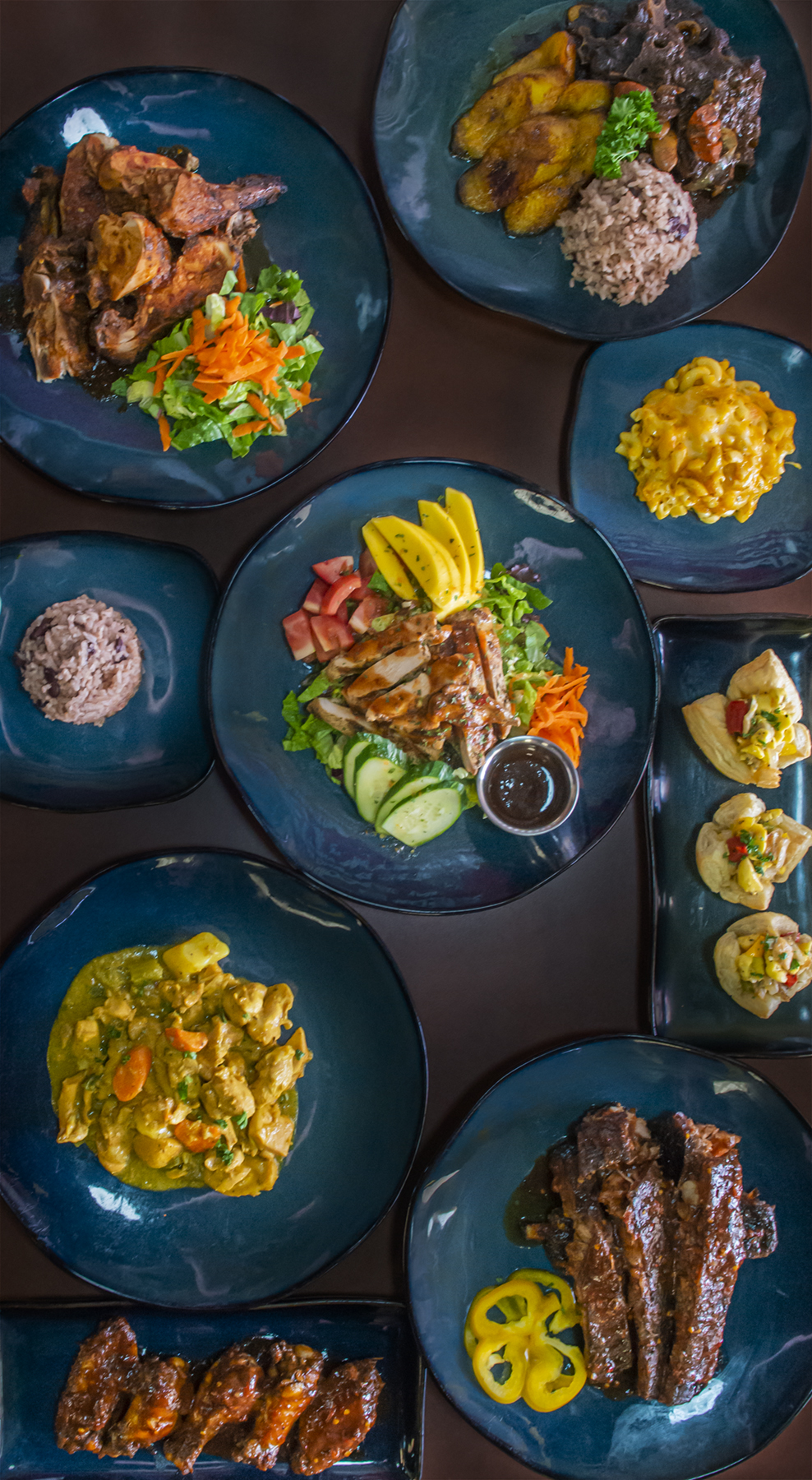
The story of Caribbean cooking is often told through sunshine, beaches, and festival plates, but the deeper truth sits in the kitchen, at the market stall, and over the coal pot. Caribbean food has endured because it was built by people who knew how to make abundance out of scarcity, beauty out of necessity, and identity out of migration. That is why centennial traditions still matter. They are not quaint relics. They are living methods, flavors, and rituals that continue to shape how people cook and eat across the region and throughout the diaspora.
When people talk about a Caribbean food centennial, they are usually pointing to dishes, techniques, and shared customs that have remained recognizable across a hundred years or more, even as ingredients, equipment, and lifestyles changed. A pot of pepperpot simmered slowly in Guyana does not taste exactly like it did in 1920, and a family in Kingston may now bake in an electric oven rather than a cast iron coal pot. Yet the structure of the meal, the seasoning logic, and the social meaning often remain intact. That continuity is what still shines.
A cuisine shaped by movement, memory, and adaptation
No honest discussion of Caribbean food can pretend it comes from one source. The region’s table was formed through Indigenous knowledge, African survival and creativity, European colonial systems, Indian indentureship, Chinese migration, Levantine trade networks, and constant exchange between islands and coastlines. That makes Caribbean cooking unusually layered. A single plate can hold techniques and ingredients from several continents, yet still feel unmistakably local.
What gives the cuisine its coherence is not uniformity. It is method and instinct. Seasoning is rarely shallow. Cooks build flavor in stages, often with green herbs, onion, garlic, thyme, hot pepper, citrus, pimento, scallion, and browning or fat depending on the dish. Starches matter, not as filler, but as ballast. Rice, ground provisions, dumplings, breadfruit, plantain, cassava, yam, and cornmeal help complete a meal structurally as much as nutritionally. Sauces and gravies carry memory. Smoke, acidity, heat, and sweetness are carefully balanced, not dumped in for effect.
That is why century-old dishes still feel modern. They were never static museum pieces. They were always designed to flex.
The old cooking vessels still explain the flavor
Many centennial dishes make the most sense when you understand how they were traditionally cooked. Food prepared in a heavy iron pot, over wood fire or charcoal, behaves differently from food rushed on high heat in a thin pan. Browning develops more patiently. Moisture escapes more gradually. Rice picks up crust at the edges. Meat gets both tenderness and concentrated flavor. Even vegetables taste fuller when steam and smoke work together rather than separately.
Across the Caribbean, older cooks still talk about “pot taste,” and they are right to do so. The vessel itself matters. A seasoned Dutch pot in Jamaica, Trinidad, or Antigua gives depth that stainless steel does not quite replicate. A clay or thick aluminum pot alters the finish of stews, coconut-based rice dishes, and soups. This is not nostalgia talking. It is the practical chemistry of heat retention, evaporation, and accumulated seasoning.
The same is true of traditional processing methods. Grating fresh coconut instead of opening a carton of coconut milk changes texture and aroma. Hand-grinding green seasoning makes it more fibrous and vivid than an overblended puree. Salting cod properly, soaking cassava carefully, and fermenting certain batters or pickles all create results that are hard to fake with shortcuts. People may adapt for time, but the original methods still deserve attention because they explain why these dishes earned a hundred-year life span in the first place.
Rice and peas, pelau, and the architecture of a complete meal
Few Caribbean staples have shown greater staying power than rice-based dishes. In some homes, rice and peas is not everyday food but Sunday food, celebration food, or the meal that marks a visit worth remembering. Its endurance comes from its structure. It is economical, nourishing, and adaptable, yet it also carries ceremonial weight.
The details vary from island to island. One kitchen uses kidney beans, another pigeon peas. One cook leans on thyme and scallion, another insists on allspice and coconut milk. Some prize fluffy, separate grains. Others want a slightly creamy finish where the starch and coconut have mingled. That variation is not a flaw in the tradition. It is the tradition.
Pelau offers a different expression of the same logic. In Trinidad and Tobago especially, pelau turns rice into a one-pot event, usually with caramelized sugar for color and depth, meat for savoriness, pigeon peas for body, and coconut milk for roundness. It is picnic food, beach food, family gathering food, and practical weekday food all at once. The reason it still shines is simple. It solves real problems elegantly. One pot, balanced flavor, crowd-friendly portions, and leftovers that often taste even better the next day.
If you have ever stood near a pot of pelau as the sugar hits the right point, just past sweetness and into bitterness, you know how much judgment this cuisine requires. There is no screen that tells you when to stop. You watch color, smell the shift, hear the change in the bubbling fat. That kind of cooking knowledge survives precisely because it cannot be fully reduced to a printed formula.
Ground provisions and the quiet authority of starches
Centennial Caribbean food traditions are often discussed through headline dishes, but the supporting foods deserve equal respect. Ground provisions, cassava, yam, eddoes, sweet potato, green banana, breadfruit, and plantain have fed generations with dignity and skill. They are the backbone of soups, breakfasts, side plates, and market economies.
Breadfruit is a perfect example. Roasted over open flame, baked, boiled, fried, or turned into salads and mash, it remains one of the region’s most versatile staples. When prepared well, it has a nutty depth and a texture somewhere between potato and fresh bread. It also reveals the Caribbean talent for practical abundance. A single breadfruit can feed several people without feeling austere.
Cassava carries a different history, rooted in Indigenous foodways and later adapted into countless forms. Bammy in Jamaica, cassava pone in several territories, farine in Guyana, and cassava bread in Indigenous and rural communities all speak to a very old intelligence about preservation and utility. These are not side notes. They are evidence of a food system that understood local crops long before modern food trends started praising root vegetables.
In many households, these starches still appear not because they are fashionable, but because they satisfy in a way refined convenience foods often do not. They absorb sauces properly. They hold up on the plate. They keep people full. That everyday usefulness is one reason so many old preparations remain current.
Saltfish, smoked meats, and the art of preservation
Long before widespread refrigeration, preserved proteins shaped Caribbean cooking in practical ways. Saltfish became a staple throughout the region because it traveled well, lasted, and could be transformed with care. The tradition persists because the flavor profile is still deeply appealing. Properly soaked and flaked saltfish brings salinity, chew, and marine richness to ackee, fritters, bakes, buljol, and stewed combinations with tomato, onion, and pepper.
Smoked meats and salted meats play a similar role in soups and peas dishes. A little goes a long way. Even a modest quantity can anchor a pot, especially when combined with split peas, red peas, pumpkin, dumplings, or callaloo. Here again, the centennial value of the food is tied to thrift and judgment. The cook has to understand when the preserved meat is a seasoning element and when it becomes too dominant.
This balance is easy to miss in commercial versions. Some restaurants oversalt. Some home cooks, wary of sodium, overcorrect and lose the point entirely. The best traditional cooking respects preservation but manages it carefully. Soaking time, rinsing, pre-boiling, and knowing what else is in the pot all matter.
The festival table: food that marks time
Caribbean food traditions survive because they attach caribbean food centennial themselves to events. They are not only meals. They are markers of Christmas, Easter, carnival, weddings, wakes, Sunday dinners, market days, and harvest celebrations. Once a dish becomes part of how a community tells time, it gains remarkable staying power.
Black cake is one of the clearest examples. Across several islands, this rich, spirit-soaked cake remains tied to Christmas and major family occasions. The technique demands patience. Fruits are soaked for months in wine or rum. Batter is mixed with care to avoid heaviness. Browning deepens color and bittersweet complexity. A poorly made black cake can be cloying or dense, but a good one has lift, perfume, and restraint beneath its intensity. That is why older bakers still command respect. They know the margins between lavish and excessive.
Sorrel at Christmas carries a similar emotional charge. So do ham glazes scented with pineapple and clove, Guyanese pepperpot for holiday mornings, pastelles in Trinidad and Tobago, and coconut sweet bread in parts of the eastern Caribbean. These foods keep returning because they are bound up with kinship. A person may forget the exact year, but they remember the smell in the kitchen and who was there.
One of the strongest signs that a centennial tradition is healthy is when younger cooks inherit the dish in altered form without stripping it of meaning. A grandchild may use a stand mixer instead of beating by hand, or vacuum-seal soaked fruit for convenience, caribbean food centennial but if the flavor, timing, and occasion still hold, the tradition is alive.
Street food that outlasted fashions
Not every enduring dish comes from the formal family table. Some of the most resilient traditions are street foods and workday foods. Doubles in Trinidad, bake and saltfish in several territories, Jamaican patties, roti in Guyana and Trinidad, pholourie, accra, and fish cakes all illustrate the same point. Foods survive when they are delicious, portable, affordable, and satisfying.
Street food is where culinary memory often proves strongest. Vendors tend to preserve key ratios because customers notice immediately when they drift. Too-thick bara ruins doubles. A patty crust that lacks flake and turmeric color feels wrong even before the first bite. Roti skin that tears, or curry that leaks oil without flavor, will not build loyalty. These are not abstract standards. They are live market tests passed down over decades.
A useful way to understand why these dishes remain central is to look at the qualities they consistently deliver:
- They are built for appetite, with enough starch, fat, acid, and spice to feel complete.
- They rely on highly recognizable textures, such as flake, chew, crunch, or softness.
- They travel well, whether wrapped in paper, foil, or a simple container.
- They can be scaled for business without losing their soul if the cook is disciplined.
- They invite personalization, especially with pepper sauces, chutneys, and fillings.
That last point matters. Caribbean cuisine often gives the eater a role in the final flavor. A spoon of kuchela, a dash of homemade pepper sauce, or the choice between tamarind and cucumber in a street-side setting helps keep these foods interactive rather than fixed.
Pepper sauces, green seasoning, and the condiments that carry memory
When people try to recreate Caribbean dishes abroad and fail, the problem is often not the main ingredient. It is the seasoning base or table condiment. A roast fish may be fresh, but without a herb-heavy marinade or a sharply made escovitch dressing, it loses its identity. Fried plantain may be fine, but without the right contrast nearby, the plate feels incomplete.
Green seasoning, in its many forms, deserves the status of a foundational tradition. It is not merely a marinade. It is a method of concentrating freshness so it can penetrate meat, fish, and vegetables. In some homes it is coarse and grassy, heavy on scallion and thyme. In others it is smoother, with celery, cilantro, parsley, garlic, onion, and hot pepper. The exact composition changes, but the purpose remains the same: build an aromatic base that shortens the distance between raw ingredient and finished flavor.
Pepper sauces perform a parallel function at the table. Mustard-based sauces, fruit-forward hot sauces, vinegar-soaked scotch bonnet blends, and cooked sauces with carrot or papaya all show how the Caribbean handles heat with nuance. Good pepper sauce is not just hot. It is bright, fragrant, and structured. It sharpens starches, wakes up fried food, and cuts richness in stews. The best versions can be traced through generations, often with one ingredient a family refuses to reveal.
The diaspora kept these traditions alive in new climates
A century of survival would not have happened without migration. Caribbean people carried recipes into London, Toronto, New York, Miami, Amsterdam, and far beyond. That movement changed the food, but it also protected it. In many immigrant households, traditional cooking became a way of holding the line against dislocation.
The challenge abroad was never only access to ingredients. It was climate, work schedules, housing, and the demands of assimilation. Some herbs were hard to find. Certain fish were too expensive. Outdoor roasting and heavy frying could be difficult in small apartments. Yet cooks adapted with remarkable ingenuity. Frozen grated coconut stood in for fresh when necessary. Collard greens or spinach substituted when callaloo was unavailable. Scotch bonnet might be rationed or replaced in part, but never casually abandoned.
What is striking is how often the core values remained untouched. Sunday dinner still mattered. Holiday baking still happened. A child still learned that rice and peas belonged with certain meats, or that soup on a particular day of the week was part of the family rhythm. The diaspora also created feedback loops. Ingredients once scarce overseas are now sold widely because those communities sustained demand for decades.
That is another reason the phrase caribbean food centennial feels apt. The tradition is not preserved in one place. It is distributed across ports, boroughs, suburbs, and return journeys.
What still makes these foods shine now
The endurance of old Caribbean food traditions is not an accident, and it is not based on sentiment alone. These dishes continue to perform well by modern standards, even if they were developed under very different conditions. They are flavor-dense, communal, economical when handled wisely, and adaptable to both large gatherings and home kitchens.
They also reward skill. That matters more than many people realize. Foods that allow no room for craft tend to flatten into mere commodity. Caribbean classics, by contrast, still carry the cook’s signature. One person’s stewed oxtail is deeper from patient browning. Another’s callaloo is silkier because the okra balance is better judged. One baker’s coconut tart has the right shell, another’s filling is too wet. This level of distinction keeps standards alive.
For cooks who want to honor these traditions without turning them into performance pieces, a few habits make a real difference:
- Taste repeatedly through the cooking process, especially after seasoning, browning, and reduction.
- Respect texture as much as flavor, because mushy plantain or broken rice changes the whole dish.
- Use fresh herbs and aromatics whenever possible, even if some pantry shortcuts are necessary.
- Learn one traditional method fully before modernizing it, so the trade-offs are informed rather than random.
- Cook for other people, because these foods reveal themselves best in company.
That final point may be the most important. Caribbean food was never only about individual plates. It thrives in batches, shared pots, extra portions, and second helpings pressed on guests. A huge amount of culinary knowledge only becomes visible when feeding six, ten, or twenty people. Timing changes. Seasoning scales differently. Side dishes start to matter more. Hospitality itself becomes part of the recipe.
Centennial traditions are not frozen traditions
Some people speak of heritage food as if authenticity requires stillness. That has never been true in the Caribbean. The strongest traditions are the ones that have moved without losing their center. A cook may trim fat more aggressively than a grandparent did. Another may use an airier flour blend in fried dough, or reduce sugar in a dessert because modern palates often prefer less sweetness. Vegetarian and vegan interpretations now appear more frequently as well, especially in urban diaspora settings.
These changes deserve honest evaluation rather than automatic praise or rejection. Some updates work beautifully. Others erase the very qualities that made the dish worth preserving. The right question is not whether a recipe changed, but whether the change respected function, flavor, and cultural logic.
That standard explains why so many century-old Caribbean dishes remain persuasive. They have enough internal strength to absorb adjustment. A good fish rundown, stew peas, cook-up rice, souse, conch fritter, or tamarind ball does not survive because it is trapped in amber. It survives because people keep finding reasons to make it, share it, argue over it, and crave it.
And that is the clearest sign that these traditions still shine today. They continue to live where all serious food traditions must live, not on commemorative menus or nostalgic speeches, but in practiced hands, seasoned pots, busy markets, and kitchens where someone is still saying, with quiet authority, “Taste this now, it needs a little more thyme.”
Reggae Pot Jamaican Grill
Address: 7562 S University Blvd Unit C, Centennial, CO 80122
Phone: (303) 997-5623
FAQ About caribbean food centennial
What Jamaican dishes can I try in Centennial?
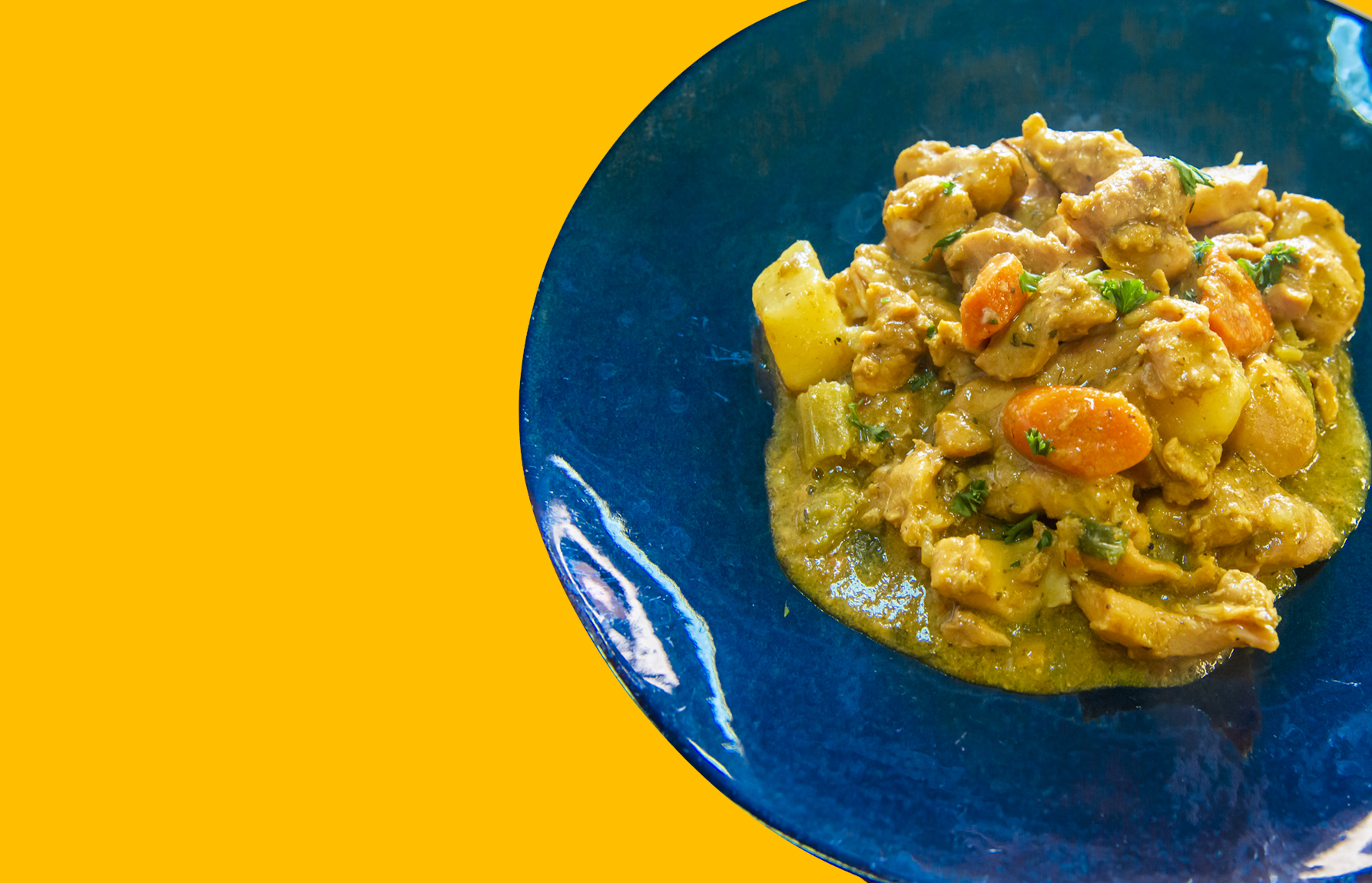
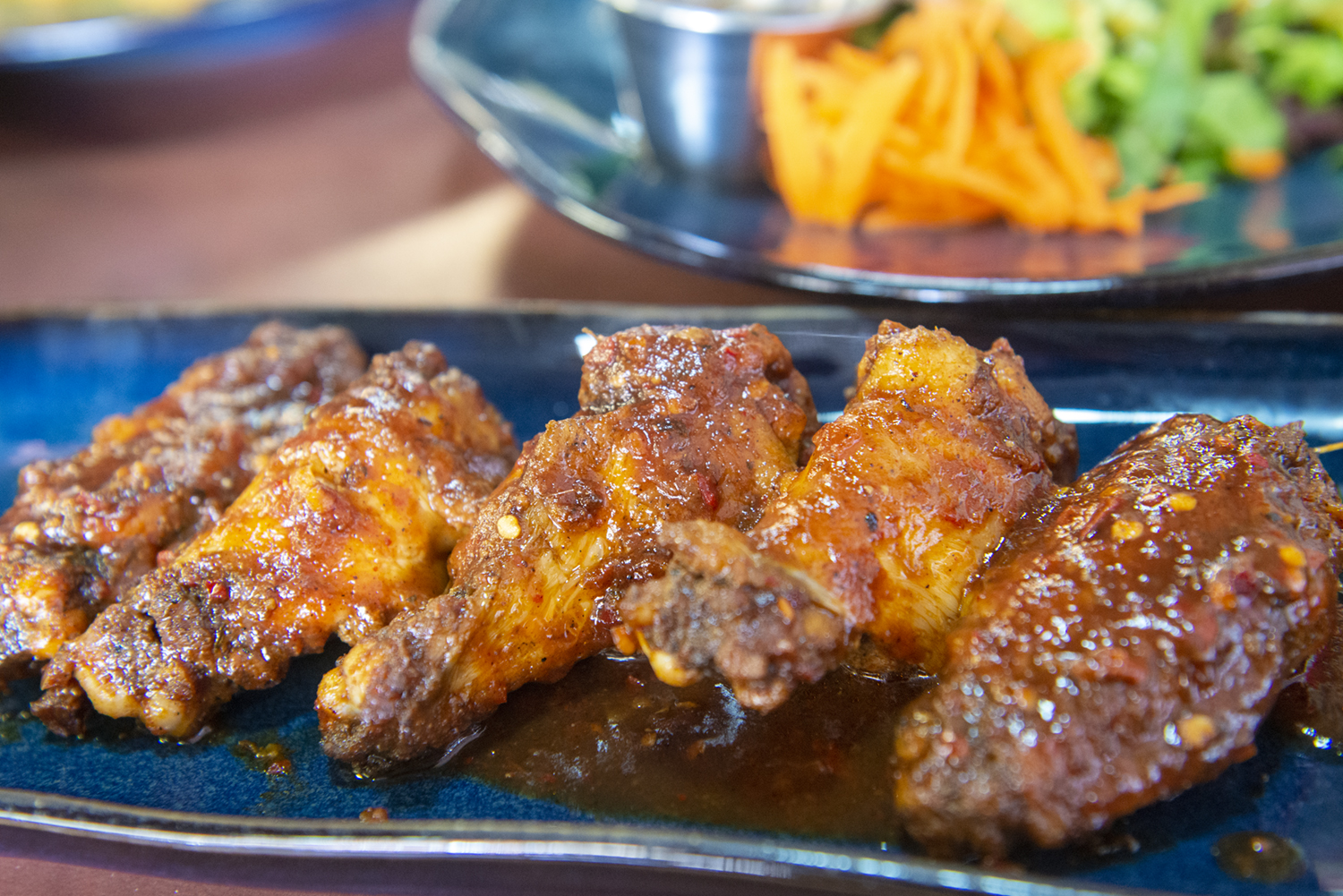
Reggae Pot Jamaican Grill serves Jamaican specialties such as jerk chicken, stewed oxtail, curry goat, and ackee and saltfish. Check the current menu for availability.
What is ackee and saltfish?
It is Jamaica’s national dish. The restaurant prepares ackee with salted cod, onions, thyme, tomatoes, garlic, black pepper, and pimento.
Can I order Jamaican food for pickup in Centennial?
Yes. Choose the Centennial location at 7562 S University Blvd Unit C when placing a takeout order.
Corrections
Spot something wrong? Send it to the desk and it gets fixed in the open.